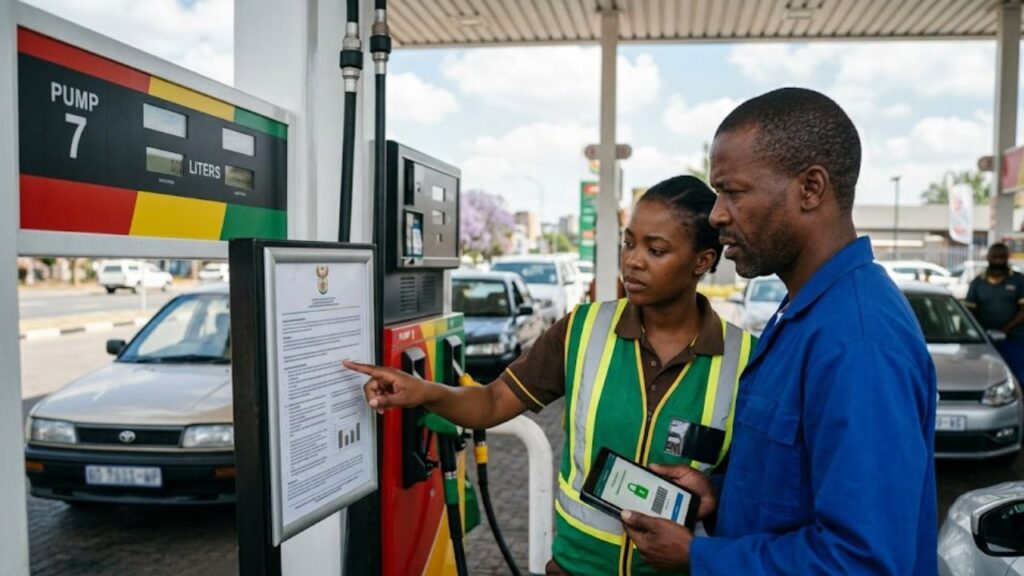
Due to disruptions in global supply chains and South Africa’s increasing reliance on imported fuel, questions have been raised regarding the possibility of fuel shortages in that country.
In response to these worries, Robert Maake the Department of Mineral and Petroleum Resources’ Director for Fuel Pricing Mechanism, stated that the government is keeping a careful eye on the situation and collaborating with business leaders to guarantee fuel security.
In an interview, Maake clarified that maintaining a steady fuel supply for the nation is one of the department’s main duties.

According to Maake, “one of the department’s responsibilities is to ensure the security of fuel supply in the country.”
The department regularly convenes coordination meetings with stakeholders throughout the fuel supply chain, he continued. These comprise logistics companies fuel wholesalers, industry associations, and oil companies across the sector.
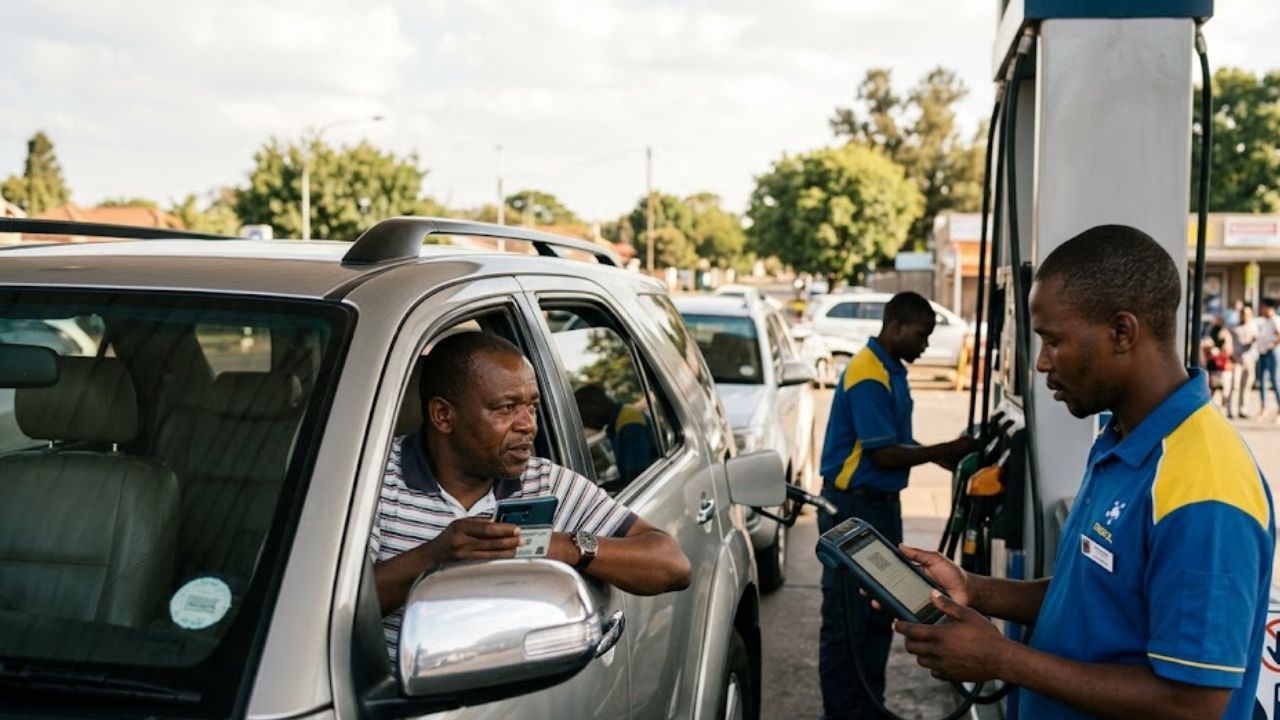
“Every Wednesday, we have a logistics planning team meeting,” he explained.
“We create a backup plan during that meeting since every oil company is present.”
Representatives from LP gas suppliers the National Energy Regulator of South Africa, trade associations like the Diesel Association of South Africa and the Liquid Fuels Wholesalers Association, and Transnet pipelines are also present at the meetings, according to Maake.
For now, there’s no need to panic.
He pointed out that South Africa’s reliance on imported fuel as a result of the closure of several local refineries in recent years makes the country vulnerable to changes in the price of oil globally.
This implies that the nation needs to purchase completed petroleum products from foreign vendors for its domestic demand.
As you are aware, since some of our oil refineries were shut down, our nation has been heavily dependent on imports. Orders for ships to transport goods into the nation have already been placed according to Maake.
He claimed that although some supply routes have been impacted by Middle East tensions, oil companies have acted swiftly to secure alternative sources for supply.
“Some of those vessels that were coming from the country of origin in the Middle East are the only disruption, and those oil companies have already decided on alternative sources like West Africa and so on,” he stated.
 Fuel and Fertiliser Price Warning in South Africa: Economists Cite Middle East Conflict Impact
Maake emphasized that there is currently no cause for panic, despite the worries expressed by industry participants regarding readiness.
“As far as we are concerned there is no need to panic regarding the fuel supply at this time he stated.”
Additionally, he emphasized the role played by South Africa’s surviving refineries, which still contribute to some local production capacity in the energy sector.
We are aware that Astron will resume operations next month after a plant shutdown in the facility. In addition to securing the final product that will enter the nation during this shutdown, they have demonstrated that they will have sufficient crude oil when the refinery reopens next month again.
Maake stated that domestic production continues to play a significant role in the nation’s fuel supply mix, along with other facilities like NATREF and Sasol’s Secunda operations.
“We can produce nearly 360 million barrels per day if you combine Astron NATREF and Sasol Secunda,” he stated.
Mineral and Petroleum Resources Minister Gwede Mantashe stated that the nation is in continuous negotiations with suppliers to stabilize the domestic oil supply while speaking at the Southern Africa Oil and Gas Conference.
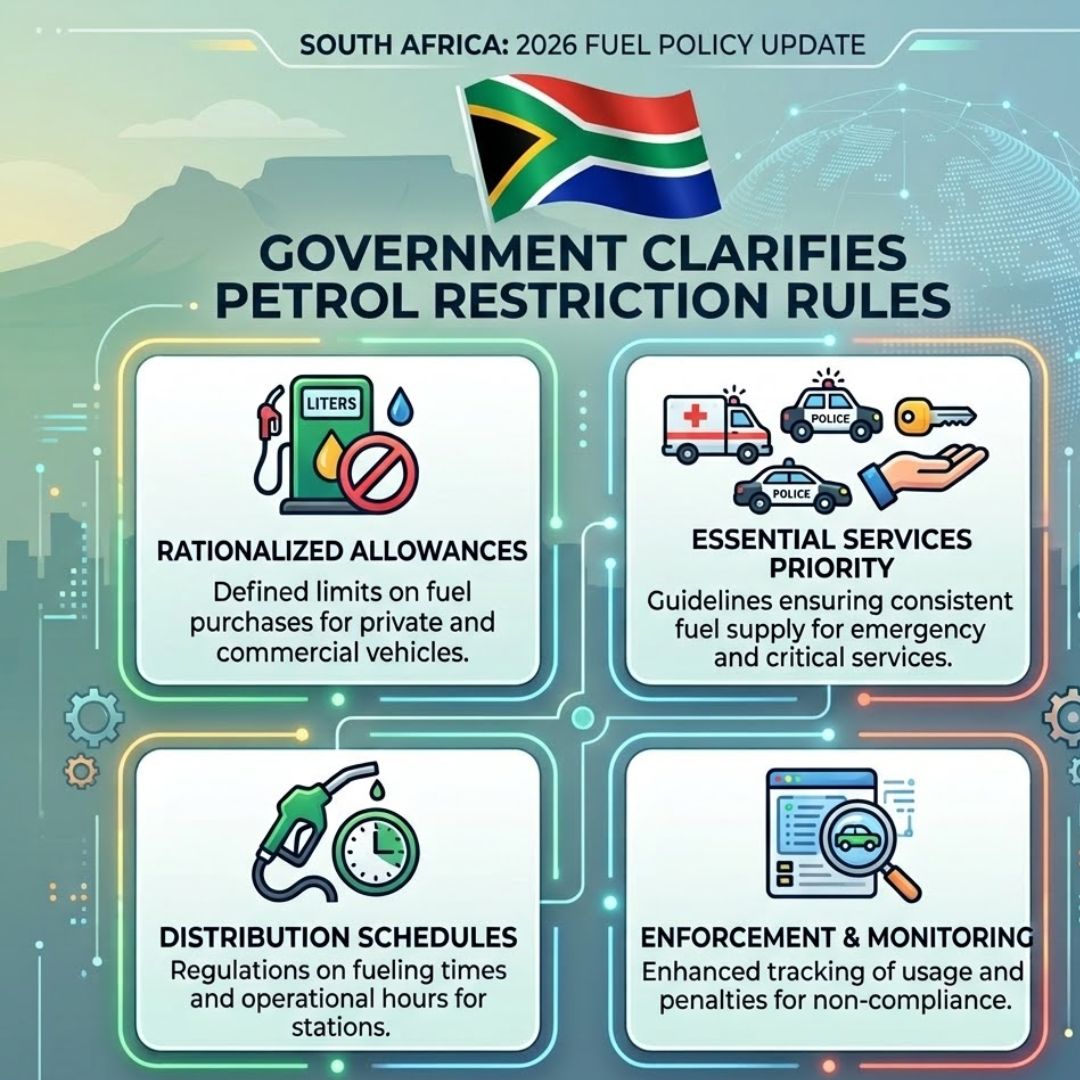
He stated, “These engagements are intended to ensure uninterrupted fuel availability in the domestic market, without immediately utilizing the country’s strategic reserves for now.”
His remarks allude to the nation’s Strategic Fuel Fund’s approximately 8 million barrels of emergency crude oil reserves available.
He did, however, note that while concerns about possible disruptions to the fuel supply still exist significant increases in fuel prices are becoming more and more inevitable in South Africa.