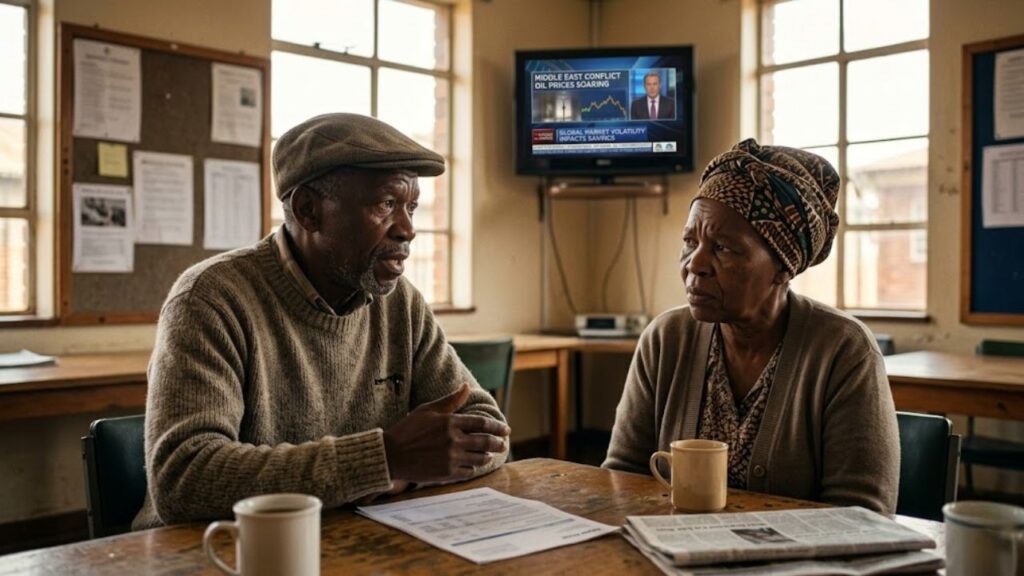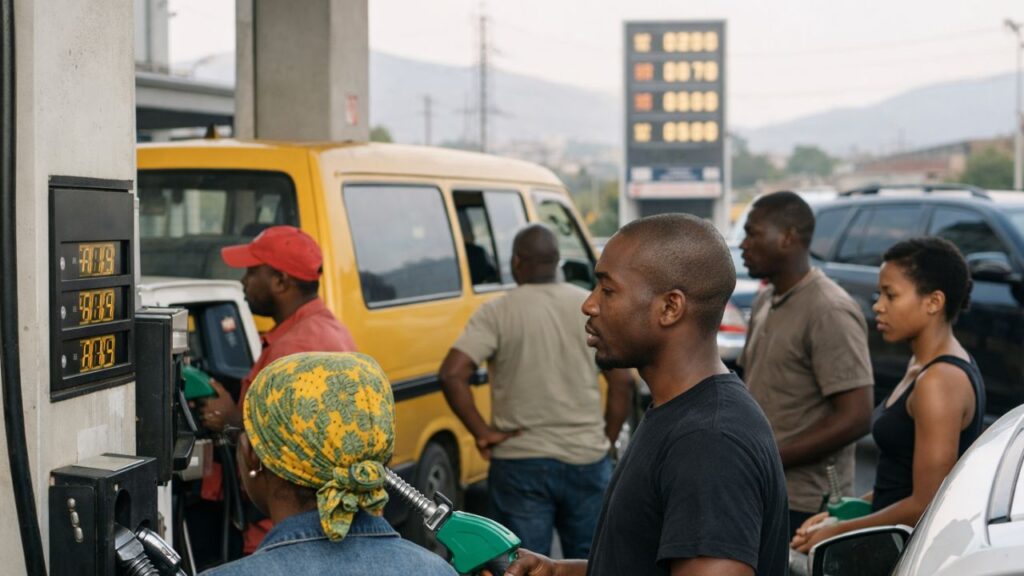
In recent weeks, fuel prices have increased throughout Africa, mostly due to the volatility of crude oil globally amid tensions in the Middle East. Significant price increases in Nigeria, South Africa, Ghana, Egypt, and Somalia have sparked worries about the wider social and economic ramifications.
- Fuel prices have significantly increased in South Africa and Nigeria, affecting millions of people’s energy and transportation expenses.
- Experts caution that unless governments take calculated action these price increases could exacerbate inequality and impede development.
- African fuel markets have demonstrated their sensitivity to external shocks due to fluctuations in global oil prices, underscoring the need for local energy solutions and regulation.
Fuel prices in many Nigerian states have surpassed ₦1,000 per litre due to changes in international oil markets and ex-depot price increases by the Dangote Refinery.
Transportation and energy costs have increased as a result, particularly since many people rely on fuel-powered generators to obtain electricity.

Similar trends are anticipated in Southern Africa, where drivers in South Africa will face difficulties as petrol and gasoline prices are predicted to increase by more than R2 per litre by the middle of the month.
The country’s energy sector continues to adjust domestic prices in response to fluctuations in the world price of crude oil, underscoring how vulnerable consumers are to shocks from overseas.
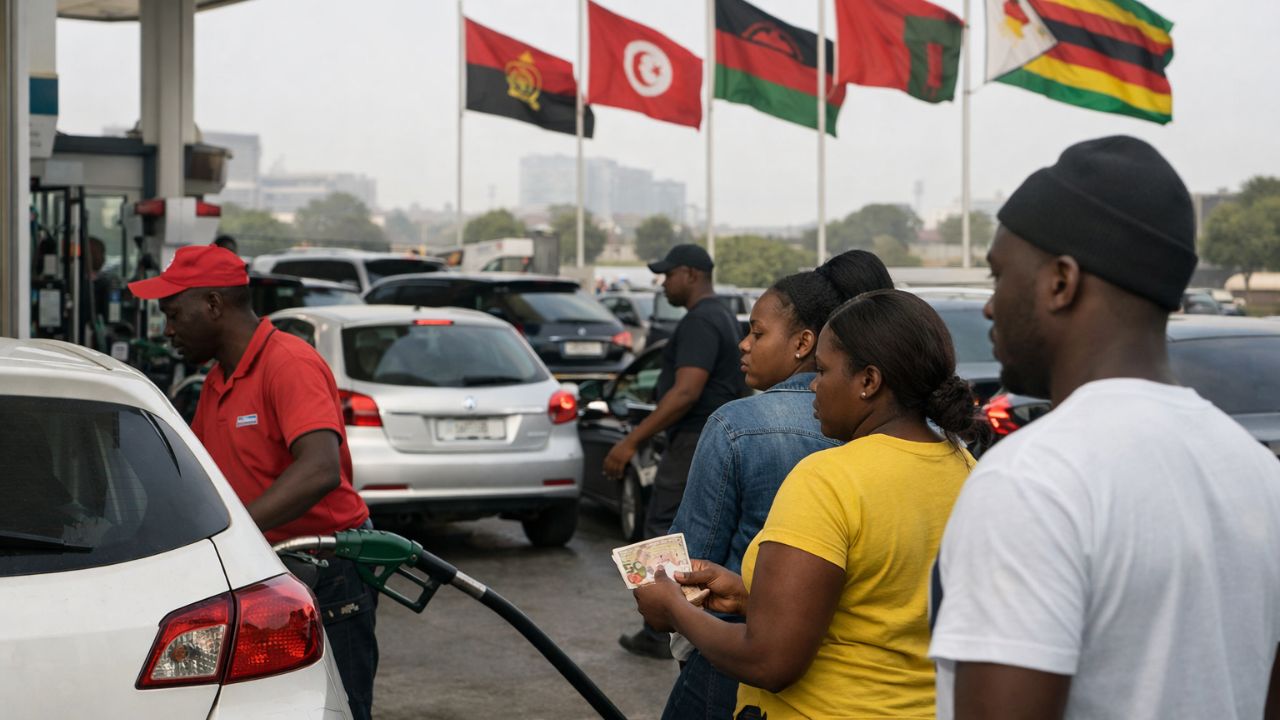
Fuel prices in Mogadishu have nearly quadrupled due to supply chain disruptions, increasing the cost of necessities and transportation even in Somalia.
Early in March 2026, supply chain disruptions brought on by Middle East conflicts caused fuel prices in the Eastern African nation to soar by more than 75%.
Petrol prices in Mogadishu increased by roughly 10 cents every day, from about $0.65 to over $1.15 per liter.
Due to a conflict unrelated to the continent, the aforementioned nations and other African nations have seen energy spikes in recent weeks.
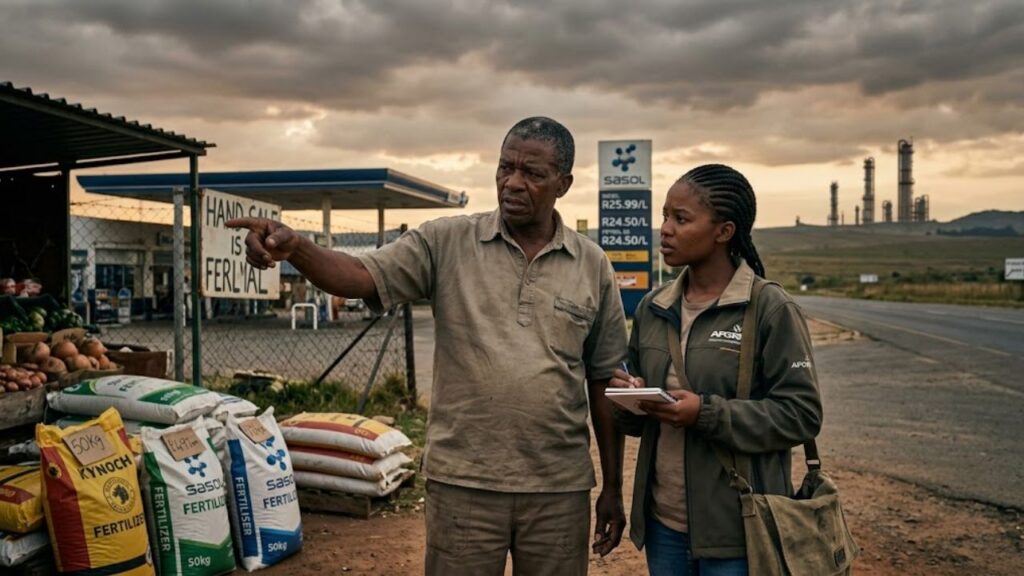
 Fuel and Fertiliser Price Warning in South Africa: Economists Cite Middle East Conflict Impact
Experts caution that further price increases would worsen inequality and obstruct development unless governments take calculated action.
Millions of Africans still struggle with price, despite efforts by regional refineries and oil companies to maintain stable supplies across the continent.
Africa’s gasoline markets are still extremely susceptible to outside shocks, as global crude prices have risen from nearly $60 per barrel to $120 and then back to $90 in just a few weeks.
There has never been a greater need for domestic energy solutions and regulatory control as nations deal with inflationary pressures worldwide.
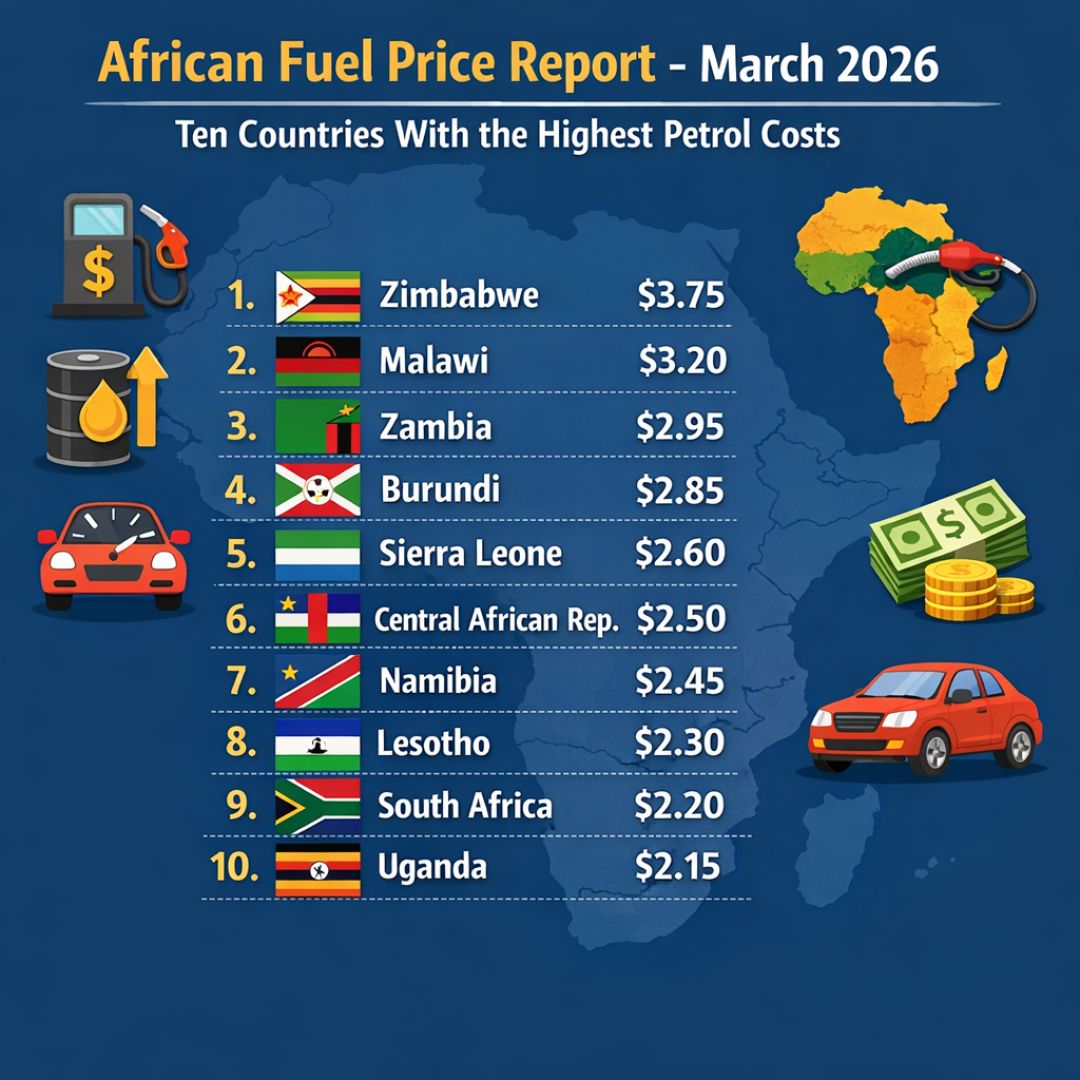
According to data from GlobalPetrolPrices, the following African nations had the highest fuel prices in March 2026.
Fuel prices in Malawi, CAR, Senegal, Cameroon, Burkina Faso, and the Ivory Coast dropped significantly this month, in contrast to last month’s list, when the average cost of fuel worldwide was 1.30 USD per liter as opposed to 1.34 USD per liter.
In Sierra Leone and Zimbabwe, however, the cost of fuel rose dramatically. Zambia and Uganda were replaced on the list by Burundi and the Seychelles.