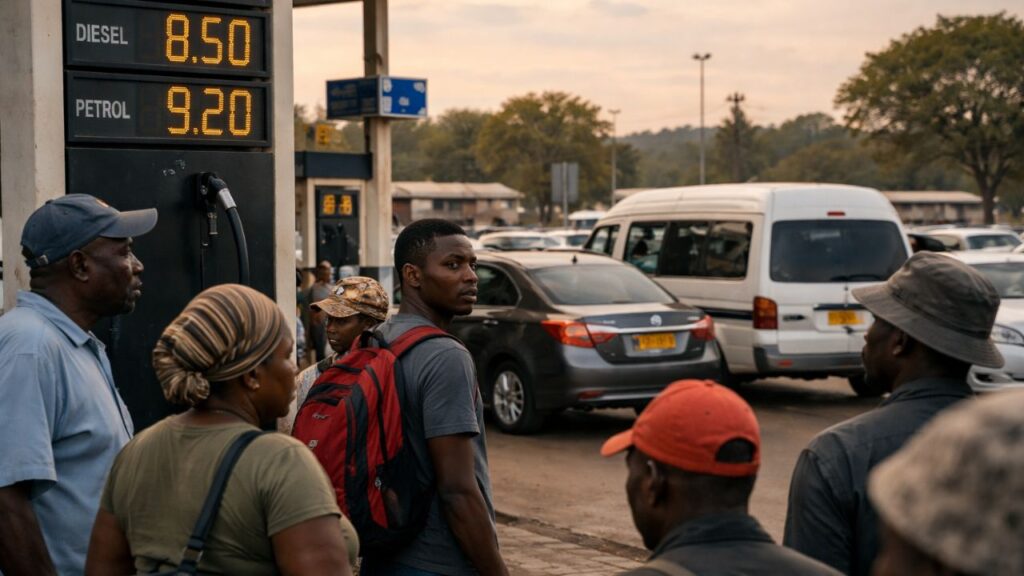
Amid rising crude oil prices driven by the ongoing conflict in the Middle East, Zimbabwe is now experiencing a noticeable impact at fuel stations. Consumers across the country are already feeling increased pressure as fuel costs climb due to instability in global energy markets.
On Wednesday, the Zimbabwe Energy Regulatory Authority (ZERA) officially confirmed a new round of fuel price increases. Diesel prices jumped sharply from 1.52 U.S. dollars per liter to 1.77 dollars, while blended petrol rose from 1.56 dollars per liter to 1.71 dollars. These adjustments reflect the growing strain on fuel supply chains worldwide.
In Harare, the capital city, commuters are among the most affected. The increase in fuel prices has directly influenced transportation costs, leading many public transport operators to raise fares. Despite the situation, daily activity continues, with commuters adapting to the new reality.

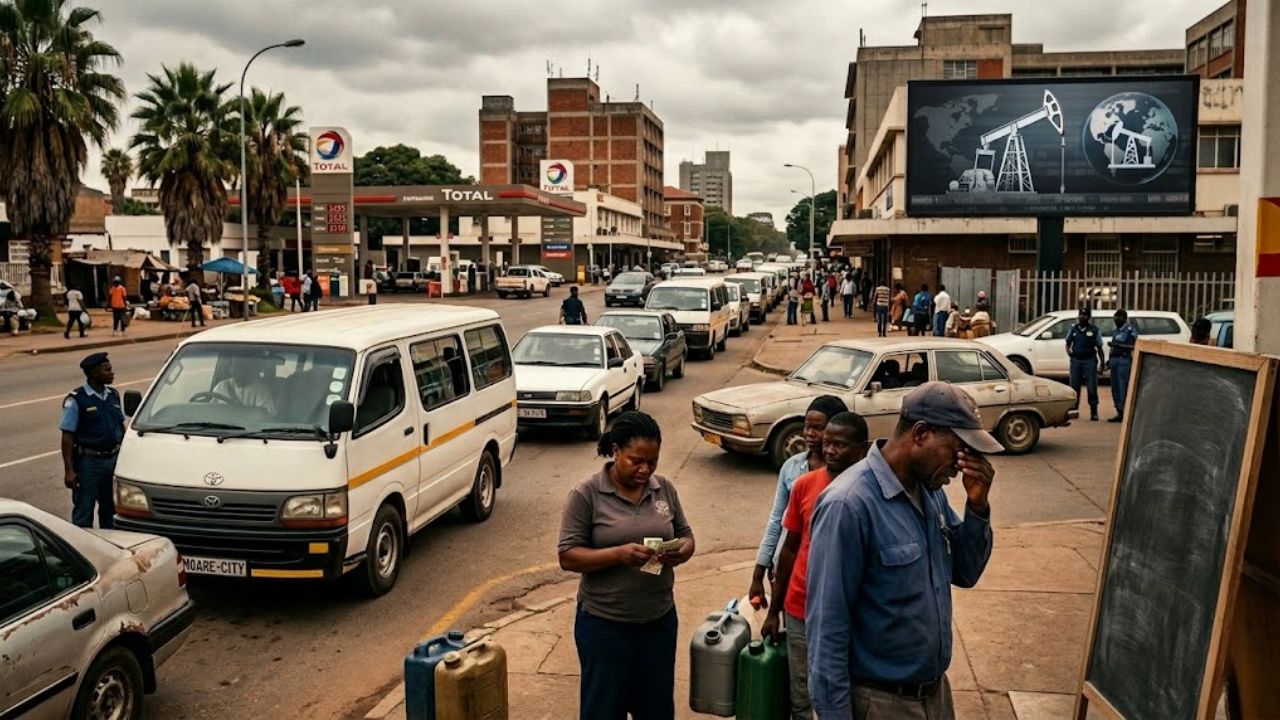
At Copacabana rank, one of Harare’s busiest transport hubs, operations remained normal as people carried on with their routines. However, behind the scenes, both passengers and transport workers are dealing with the financial strain.
Munyaradzi Gamba, who works at the transport rank, shared that many people never expected a distant conflict to affect their everyday lives. He explained that what once seemed like distant news is now directly impacting local expenses and commuting costs.
Tafadzwa Goliati, national coordinator of the Passengers Association of Zimbabwe, stated that both commuters and transport operators have had no choice but to adjust. He emphasized that since Zimbabwe relies heavily on imported fuel, price changes are unavoidable, though he urged transport operators to avoid excessive fare increases.
While long-distance transport fares have largely remained stable for now, some intra-city operators have started increasing fares, especially during peak hours. This has added further pressure on daily commuters.
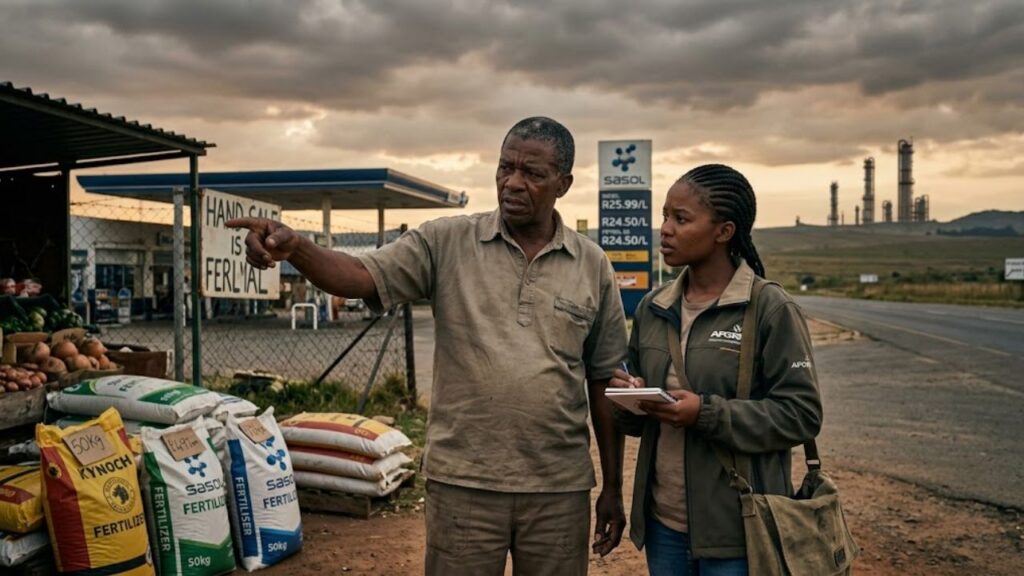
 Fuel and Fertiliser Price Warning in South Africa: Economists Cite Middle East Conflict Impact
Public transport driver Lloyd Kosi explained that operators are struggling to maintain profitability. Due to higher fuel costs, some drivers are increasing fares by 50 cents to one dollar during busy periods to offset rising expenses.
Zimbabwe’s commuter transport system largely depends on private and informal operators, including unregulated pirate taxis. While these services provide flexible and affordable transport options, they often lead to inconsistent pricing, especially during times of economic pressure.
As a result, many commuters are now forced to either spend more on transportation or walk longer distances to manage costs.
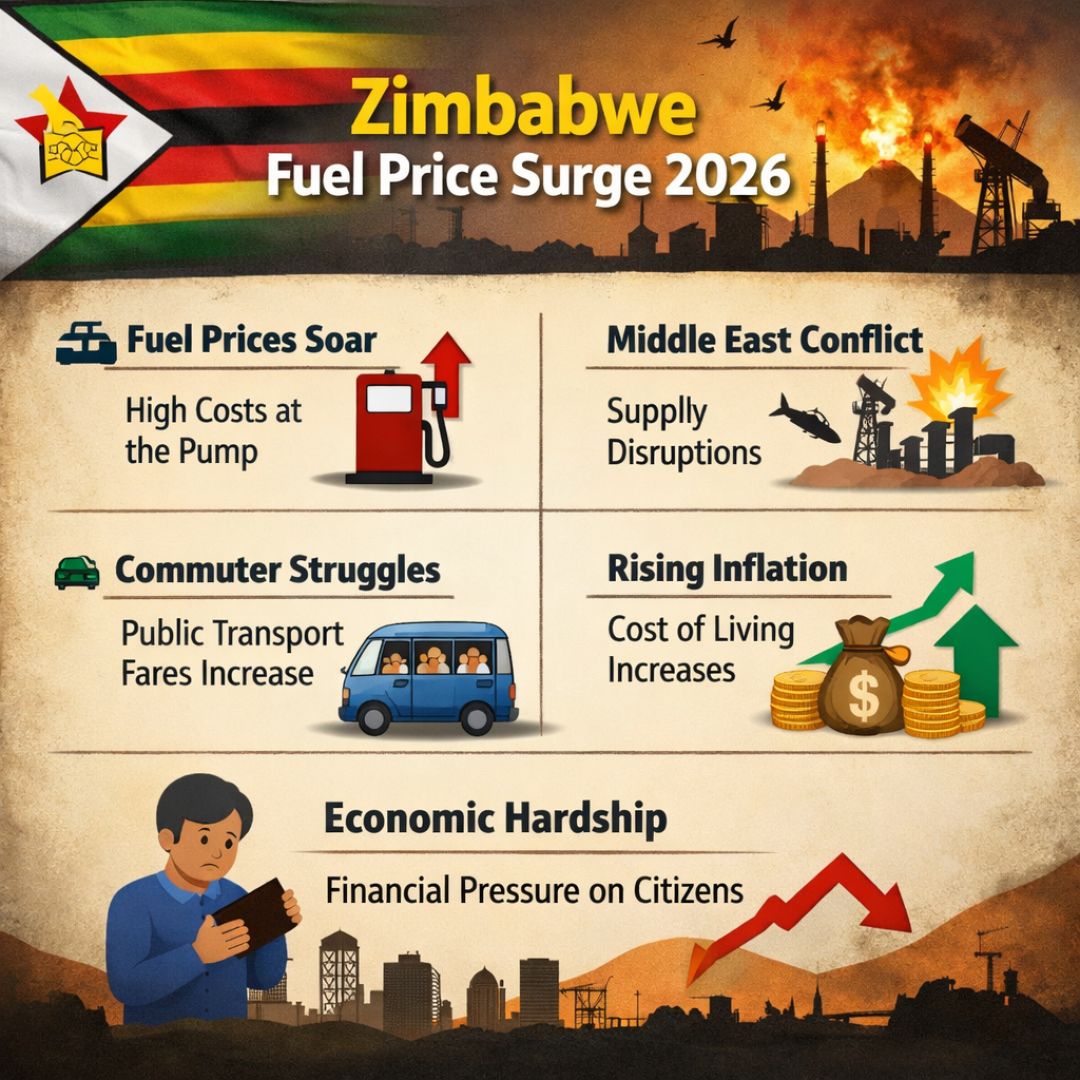
Despite assurances from the government that fuel supplies remain stable, the financial burden on citizens continues to grow. Transport operator Edgar Chikoore highlighted that increased operating costs have pushed some service providers to raise rates from 1.50 dollars per kilometer to 1.75 dollars.
He expressed hope that diplomatic solutions will be reached to ease global tensions, noting that international conflicts are now having direct economic consequences even in countries far from the source of the crisis.