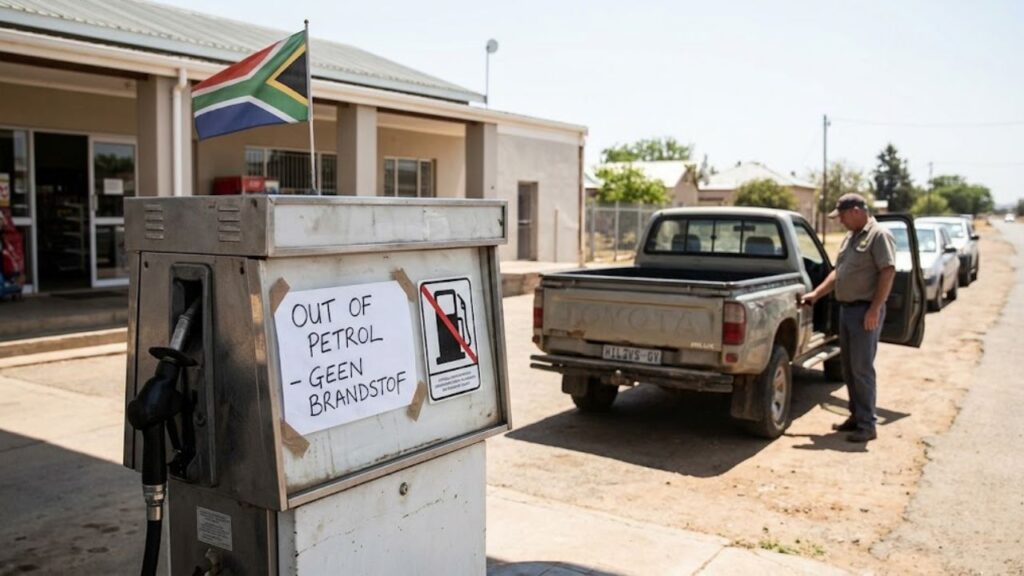
The ongoing conflict in the Middle East is now influencing global financial markets, affecting oil prices, currencies, stock indices, and ultimately the retirement savings of investors. These geopolitical tensions are creating uncertainty, pushing investors to reassess risk while markets react to rapid changes in energy supply and global sentiment.
JSE Performance and Sasol Surge
The JSE All Share Index has shown only a mild decline of around 3% over the past month, indicating some resilience despite global pressures. However, it is not closely tracking oil price movements. One major factor supporting the index is Sasol, which has benefited from rising oil prices. The company surged by 11.5% in a single day and has climbed 55.7% over the past month, trading near R193 per share compared to its 52-week low of R53.

Long-Term Investment Perspective Remains Strong
Financial experts continue to advise investors to remain calm and maintain a long-term outlook during periods of market shock. Over a five-year period, the ALSI has delivered growth of over 71%, highlighting the importance of patience. Similarly, while the S&P 500 experienced a short-term dip of 1.52%, it has gained over 69% in the past five years, reinforcing the value of long-term investing strategies.

Impact on South African Investors
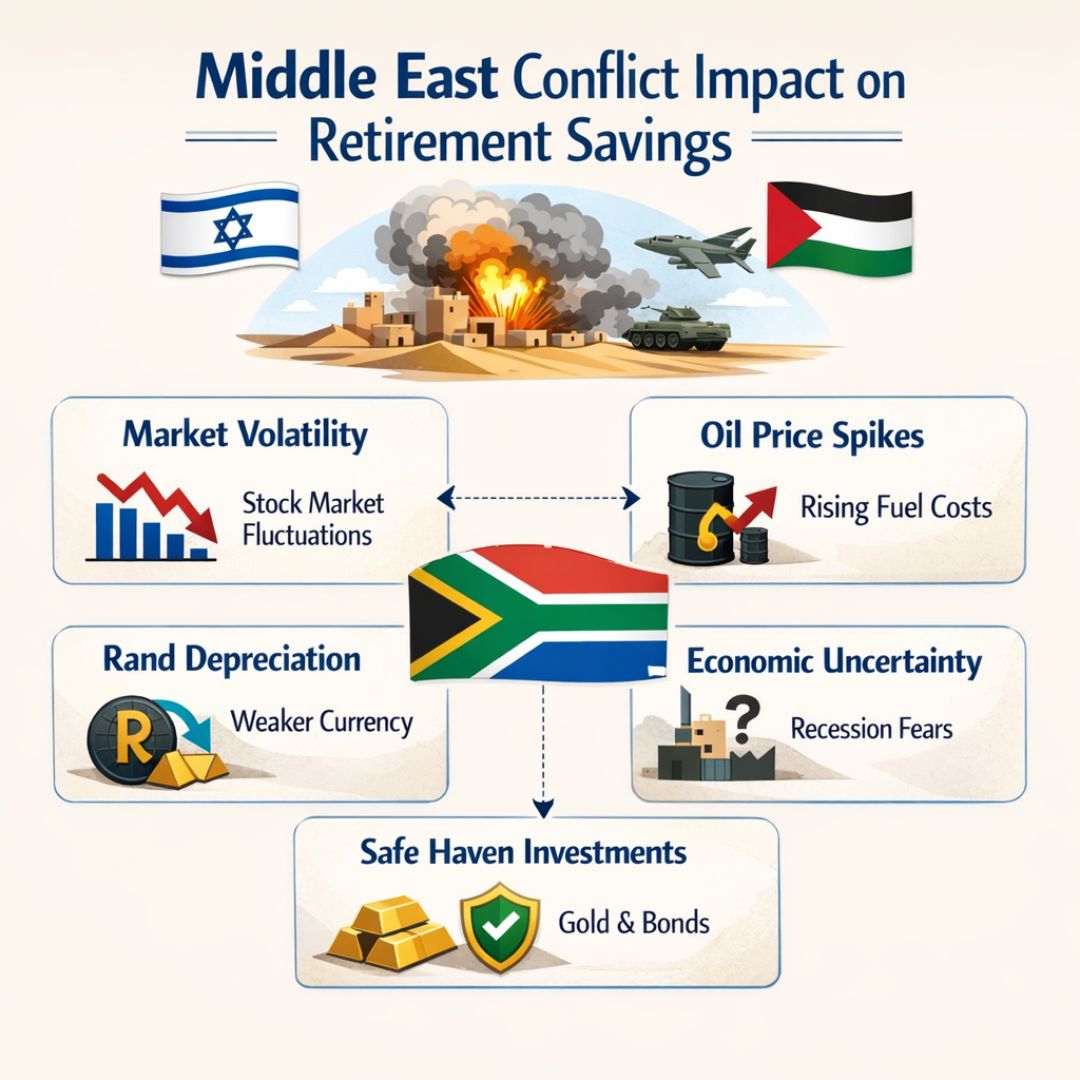
According to investment analyst Stephan Erasmus, the conflict is affecting South African investors through multiple channels. These include declining equity markets, a weakening rand, and rising oil prices. The duration of the conflict is critical — a short-term shock may be manageable, but prolonged disruptions, especially in key oil routes like the Strait of Hormuz, could significantly damage portfolios and economic stability.
Oil Prices, Currency Pressure and Market Volatility
Markets have reacted quickly to the conflict, particularly through rising oil prices and increased volatility. Oil prices surged amid fears of supply disruptions, while energy stocks outperformed. At the same time, investors shifted toward safe-haven assets such as the US dollar. The South African rand weakened by more than 4.3% since late March and is among the worst-performing emerging market currencies recently, reflecting vulnerability to global oil price spikes.
Energy Supply Disruptions and Oil Market Uncertainty
Oil markets have experienced sharp swings since the conflict began. Brent crude briefly crossed $100 per barrel before fluctuating again. Disruptions in tanker traffic through the Strait of Hormuz — a critical global oil route — have affected nearly 20% of global crude and natural gas supply. This has raised concerns not only about price levels but also about how long elevated prices will persist.

Inflation and Economic Growth Concerns
Rising oil prices are expected to push inflation higher and slow global economic growth. Experts estimate that every $10 increase in oil prices can reduce global growth by up to 0.2 percentage points while increasing inflation by around 0.4 percentage points. Higher energy costs also create uncertainty for businesses and households, potentially weakening economic activity over time.
South Africa’s Local Economic Risks
For South Africa, higher imported fuel costs present a significant risk to both inflation and economic growth. Economists warn that sustained increases in oil prices could place additional strain on consumers and businesses, worsening existing financial pressures.
Investor Strategy During Market Volatility
Despite short-term market fluctuations, financial advisers emphasize that geopolitical events rarely have long-lasting effects on diversified portfolios. Such events often lead to temporary shifts, with investors moving toward safer assets like gold and government bonds while commodity sectors may benefit.
Stay Invested and Avoid Panic Selling
Experts highlight that the greatest risk during uncertain times is often investor behavior. History shows that selling during market downturns can lead to losses just before recovery begins. Investors are encouraged to focus on long-term fundamentals and avoid reacting impulsively to short-term market movements.