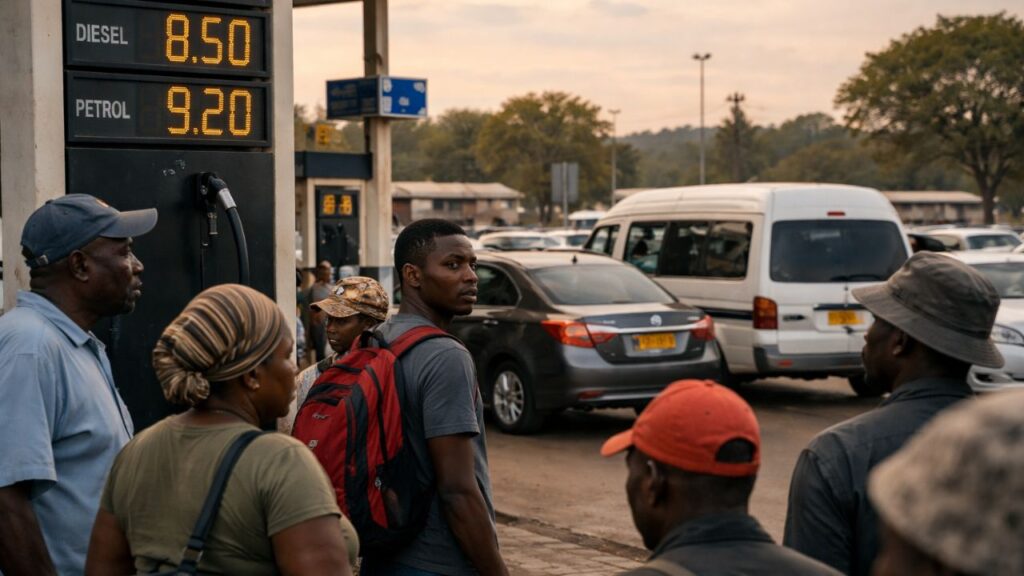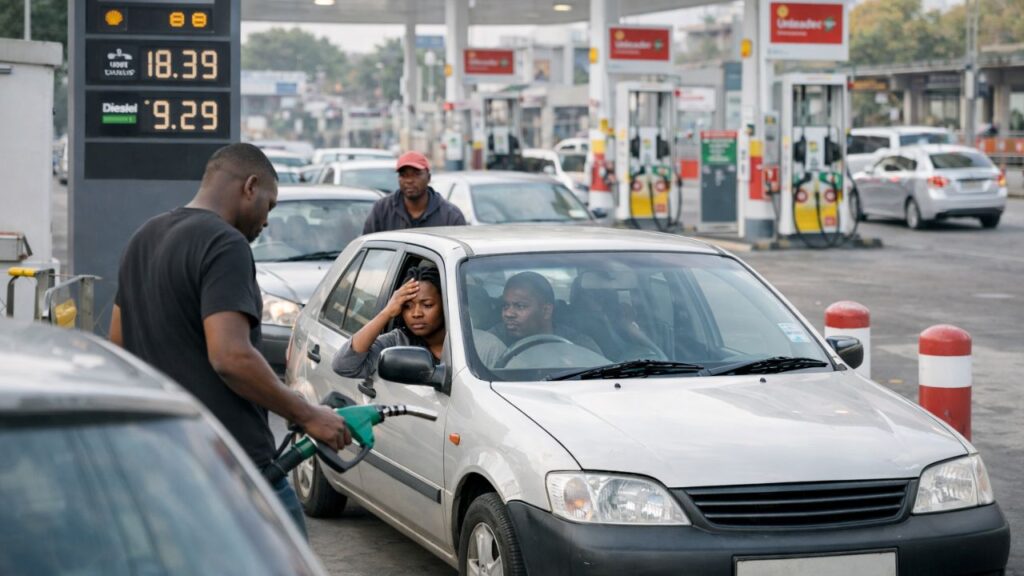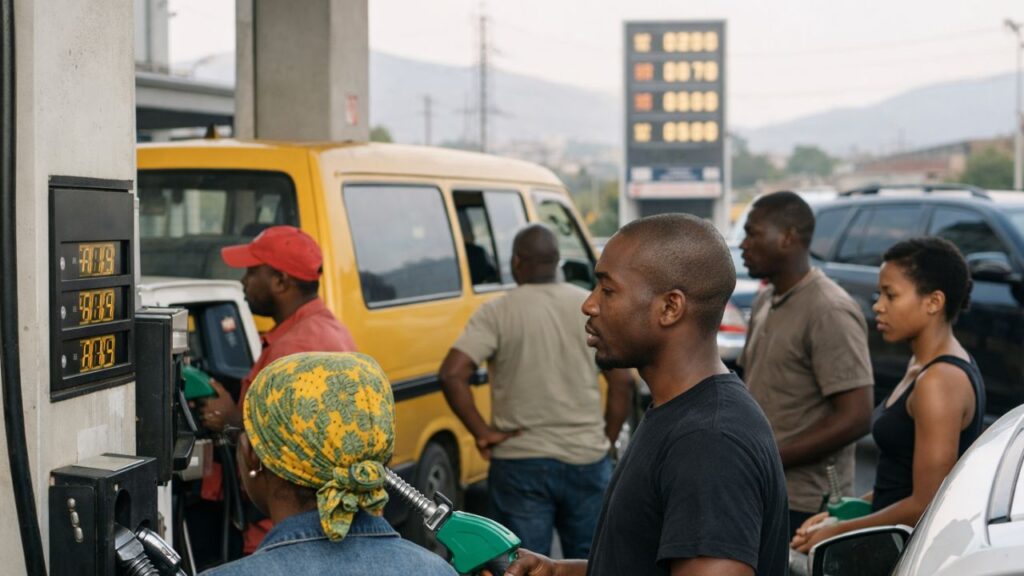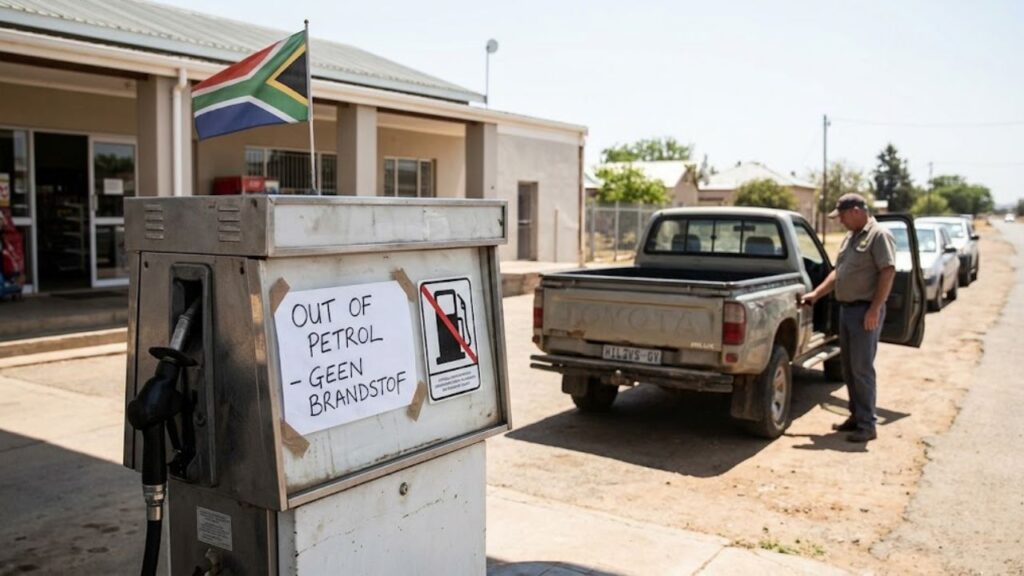
South Africa’s fuel supply is currently stable, but growing geopolitical tensions in the Middle East are increasing the risk of disruptions. Experts warn that the country’s heavy reliance on imported crude oil, combined with reduced local refining capacity, makes the system vulnerable to supply shocks that could eventually result in fuel rationing and long queues.
Government And Industry Reassurance
The Department of Mineral and Petroleum Resources has assured the public that there is no immediate threat of fuel shortages. Industry body FIASA has echoed this view, stating that supply remains stable for now. However, companies have already introduced controlled allocation measures to ensure fair distribution and to prevent panic buying and stockpiling.
Limited Refining Capacity Concerns
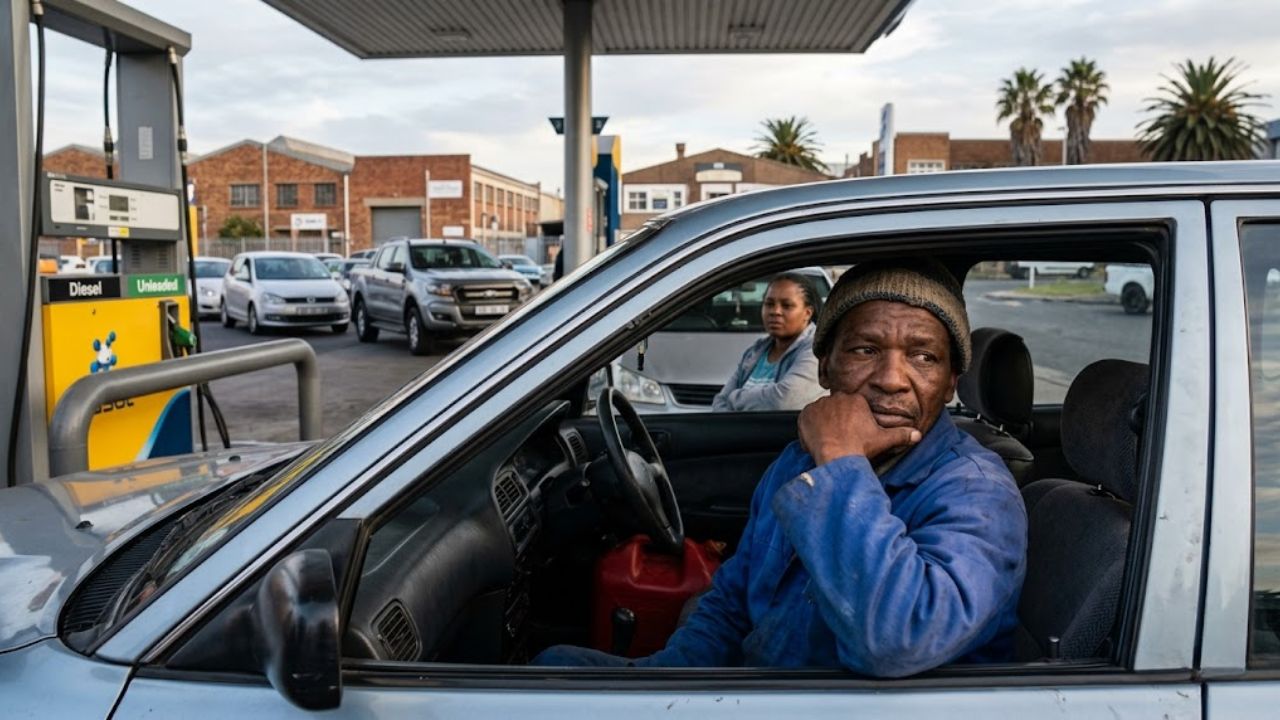
South Africa currently operates only two crude oil refineries, NATREF and Astron Energy, along with the Sasol Secunda coal-to-liquids plant. The shutdown of other major refineries in recent years has significantly reduced domestic processing capacity, leaving the country more exposed to global supply chain disruptions.

Expert Warnings On Supply Vulnerability
Energy expert Professor Vally Padayachee has highlighted that reliance on just a few operational facilities creates a major risk. He explained that dependence on imported crude oil means any escalation in global conflict could quickly affect supply stability and lead to shortages or distribution challenges.
Fuel Sources And Import Dependence
South Africa sources only a small portion of its crude oil from Saudi Arabia, with most imports coming from West African countries such as Nigeria, Angola, and Ghana. Around 40% of fuel is produced from coal through Sasol, while the rest depends on refining and imports of already processed petroleum products from countries like India and the UAE.
Shift Toward Refined Fuel Imports
With reduced local refining capacity, South Africa increasingly relies on imported refined fuel. This dependency on overseas refineries adds another layer of risk, especially during global disruptions, as supply chains can be affected by geopolitical instability.
Coordinated Monitoring And Response
To manage the situation, FIASA and other stakeholders are intensifying coordination efforts. Meetings with government departments, Transnet, LPG suppliers, and oil companies have increased from weekly to daily, allowing faster decision-making and real-time monitoring of supply conditions.
Economic Impact Of Rising Fuel Costs
Experts warn that rising fuel prices will impact the entire economy. Higher fuel costs increase transportation expenses, which then push up prices of goods and services. Businesses may either pass these costs on to consumers or absorb them, placing pressure on their financial stability.

Potential Price Surge Ahead
Even if supply remains stable, fuel prices are expected to rise. Estimates suggest increases of around R3 per litre if geopolitical tensions continue, particularly if key shipping routes like the Strait of Hormuz remain disrupted for an extended period.
Consumer And Logistics Pressure
Higher fuel costs will strain consumer budgets and increase the cost of living. The logistics sector, which relies heavily on road transport, will face rising operational expenses, further contributing to inflation across essential goods and services.
LPG Supply Concerns Before Winter
While LPG supply is currently stable, concerns are growing about potential shortages during the winter demand peak. Experts stress the importance of maintaining adequate reserves and strengthening local production to avoid disruptions.
Need For Long Term Energy Strategy
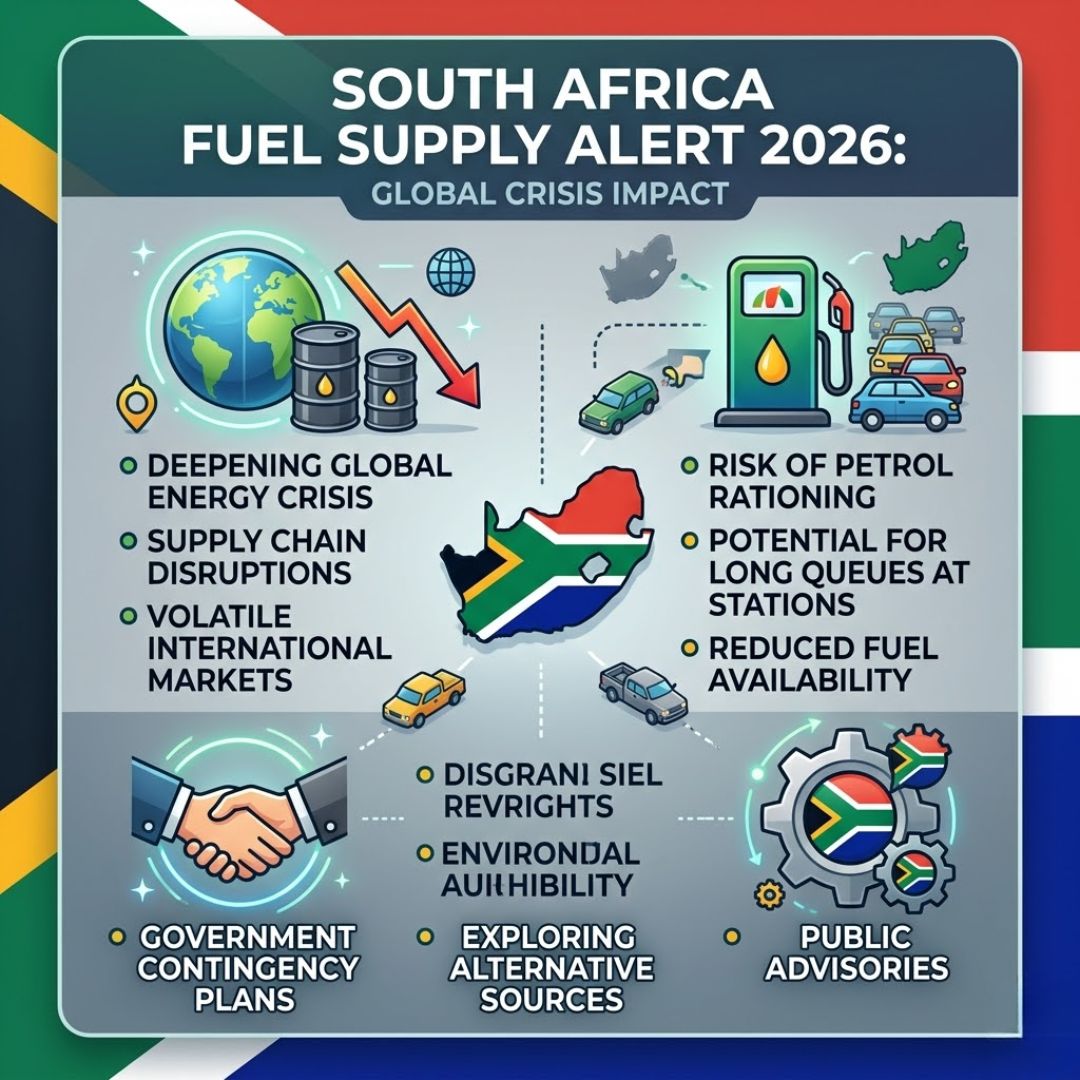
Experts emphasise that short-term stability is not enough. South Africa needs a long-term strategy focused on increasing refining capacity, building strategic reserves, and investing in renewable energy to reduce dependence on imports and improve energy security.
Public Advisory And Future Outlook
Authorities advise the public to stay informed but not panic. While there is no immediate crisis, the situation requires close monitoring. Experts recommend learning from past energy challenges and adopting a diversified and resilient approach to ensure future fuel security.