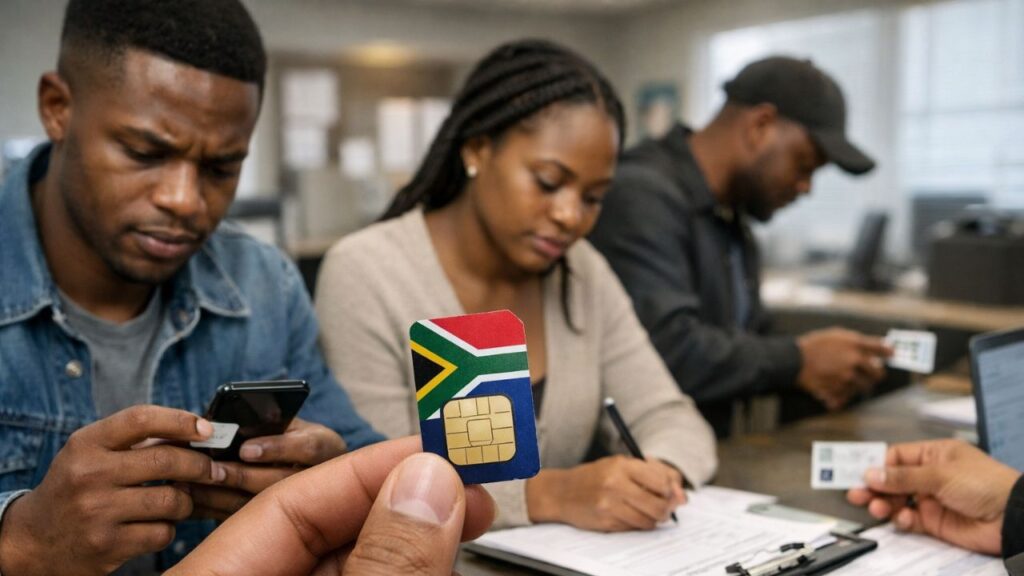
eSIM technology is replacing physical SIM cards among South African smartphone users, and Vodacom and MTN report a rise in eSIM adoption.
Multiple SIM profiles can be stored on integrated chips known as embedded SIMs, or eSIMs. Users can typically have at least two eSIMs active at once on devices that support the technology.
Users can choose which SIM to use for calls, SMS, and mobile data and it functions similarly to two physical SIMs in a dual-SIM phone.
 Driving Licence Renewal Rules From March 2026: Key Requirements Older Drivers Should Prepare For
MyBroadband inquired about Vodacom’s and MTN’s intentions to boost eSIM adoption and decrease the use of physical SIM cards.
We are unable to disclose numbers because of the competitive nature of our industry. A Vodacom representative told MyBroadband, We can confirm that we are seeing a month-over-month increase in the uptake of eSIM.
This growth is attributed to customers choosing eSIM when they switch phones or get a new number.
According to the spokesperson, Vodacom has also improved and broadened its internal capabilities so that its clients can benefit from eSIM technology and services.
They stated, Our agents are well positioned to handle customer inquiries about eSIM and its advantages because they have a better understanding of eSIM.
The majority of the newest smartphones now come standard with eSIM capability, indicating that device manufacturers are also embracing eSIM technology globally.
These are only a few of the elements that have helped its clients adopt eSIMs across devices, the spokesperson continued.
Vodacom claimed to have anticipated this by introducing Eco-SIM cards in 2021. Moving away from physical SIM cards will significantly reduce plastic waste. Recycled plastic is used to make these.
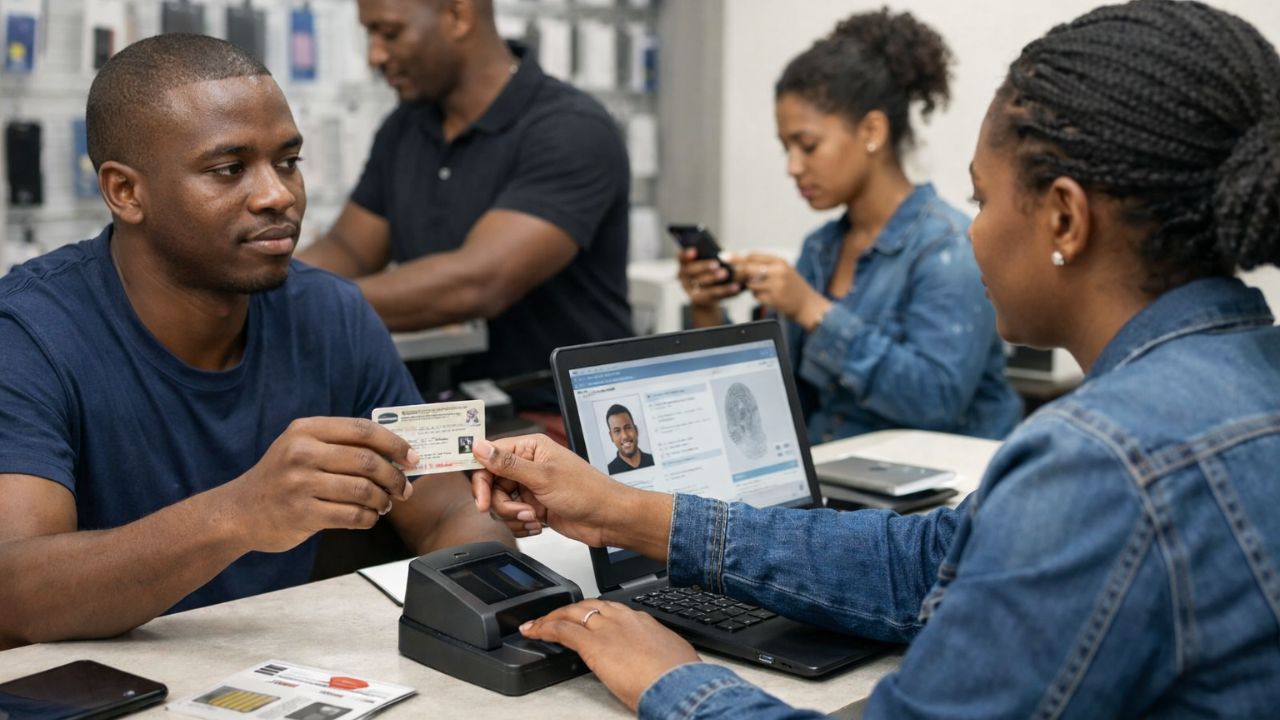
The spokesperson stated, This was part of the company’s ongoing commitment to reduce its impact on the environment.
Additionally, in 2019, Vodacom became the first mobile network provider in South Africa to offer wearable eSIM support.
Although it acknowledges the environmental impact of physical SIM cards, MTN South Africa told MyBroadband that the switch to eSIM will take time.
For the majority of South African consumers physical SIM cards continue to be the preferred choice. The use of eSIM has steadily increased in recent years, according to MTN South Africa.
The growing availability and popularity of eSIM-capable smartphones, which make it easier and more convenient for customers to adopt the technology, is largely responsible for this growth.
According to MTN South Africa, the number of eSIM users on its network is increasing annually, even though the majority of its clients still use physical SIM cards.
As digital lifestyles develop and consumers seek greater flexibility, particularly those utilizing dual-SIM functionality or needing remote provisioning for devices, we anticipate this trend to continue, it continued.

The CEO of Cell C explains why physical SIMs are still available from mobile operators.
Issued SIM card numbers are key performance indicators used in the industry, as previously explained by Cell C CEO Jorge Mendes.
According to him, mobile operators are hesitant to make the complete switch to eSIM because it will negatively impact their reported performance.
Mendes stated, Unfortunately the KPIs override what should be logical as a decision.
Instead of issuing four million plastic SIMs, you abruptly connected 100,000 eSIMs in a single month. A negative 3.9 million subscribers will be reported.
He continued by saying that even though issued SIMs might not result in actual subscribers from whom they can earn money, mobile network operators lack the desire to demonstrate this from a KPI standpoint.
I don’t see anyone stomaching this for more than a month, but they might not even be real subscribers in terms of revenue generation, Mendes remarked.
It’s the bravery of the first person to show three million or six million subscribers in a quarter or two months.
Shameel Joosub, CEO of Vodacom, stated that the mobile operator was beginning to make the move.
You know, we’re pushing it and making it more combative. Cleaning it up, but also looking for a more sustainable long term process, Joosub stated.
Vodacom began enforcing more stringent regulations to lessen the amount of plastic waste related to actual SIM cards.
The CEO stated, We’re trying to take a tougher measure because we have a lot of waste in the South African environment, which has been the case for more than ten years now, I would say.
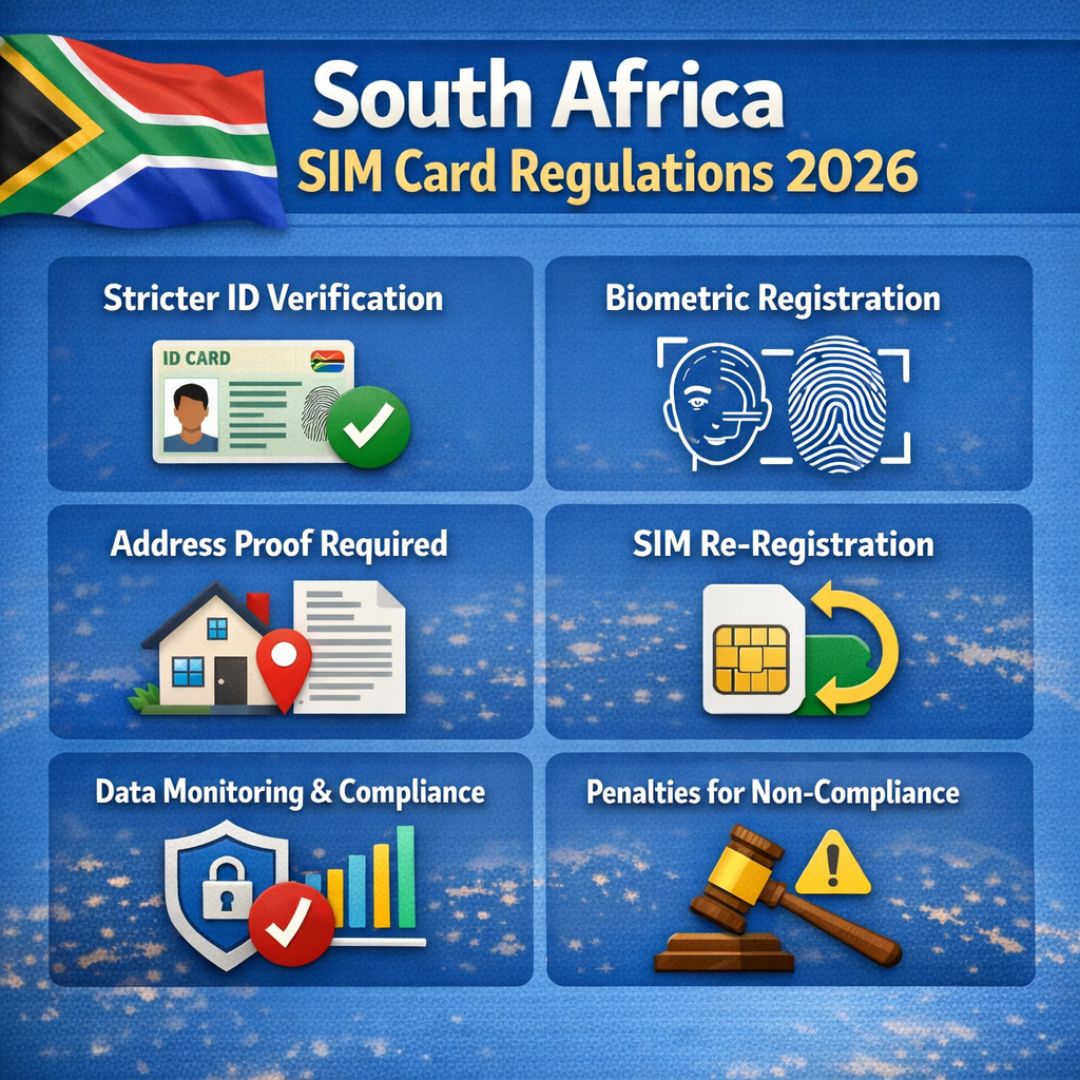
Effectively, we’re attempting to reduce that through more stringent regulations. cutting off inactives and other similar activities more quickly.
He clarified that Vodacom isn’t at a point where it has totally eradicated plastic waste, pointing out that the company needs to regenerate the numbers.
Joosub stated, That part will come from eSIM, adding that Vodacom needs to update its customer registration procedure.
We need to be able to do things like biometrics because things have changed. Better customer registration will result in fewer SIM cards or eliminate SIM card waste.